Glossy Sticker: A Display Font with Editorial Personality
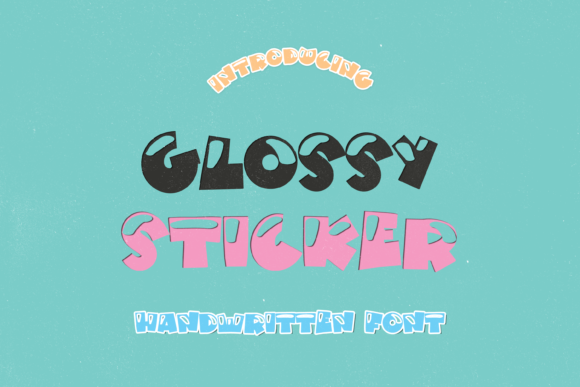
In editorial design, a headline typeface does more than announce a topic; it sets an immediate tone and invites the reader into a visual conversation. For publishers, bloggers, and content creators looking to infuse a project with playful energy, the Glossy Sticker font offers a distinct and charming voice. This display font combines a soft, bubbly letterform structure with cleverly applied shadows, creating a gentle 3D effect that pops off the page or screen. Its inherent personality is one of fun and approachability, making it an ideal choice for projects that aim to engage without taking themselves too seriously.
The Visual Character of Glossy Sticker
What defines Glossy Sticker is its expertly crafted balance. The rounded terminals and full, generous curves give it a friendly, open quality, while the subtle shadow detail adds a layer of depth and dimension. This combination avoids feeling flat or childish, instead landing in a space of retro-inspired, confident whimsy. For editorial work, this means the font carries a specific mood—optimistic, creative, and a bit nostalgic—that can instantly telegraph the character of your publication or content series. It’s a typeface that feels hand-placed, adding a bespoke touch to digital and print layouts alike.
Practical Applications in Editorial Design
The primary strength of a display font like Glossy Sticker lies in establishing a clear visual hierarchy. Its bold, graphic nature commands attention, making it perfect for roles where you need to capture interest quickly and define sections clearly.
- Blog Headers & Article Titles: Use Glossy Sticker for your main blog post titles to create a consistent and recognizable brand voice. A lifestyle blog focusing on DIY projects or family activities would find its cheerful tone particularly resonant.
- Magazine & Ebook Covers: The font’ dimensional quality makes it stand out beautifully on cover designs. Imagine it on the front of a digital magazine about craft culture or the title page of a recipe ebook for fun, family-friendly meals.
- Chapter Openers & Section Headings: Within longer-form content like guides, workbooks, or ebooks, Glossy Sticker can elegantly signal the start of a new chapter or major section, breaking up text and improving scannability.
- Pull Quotes & Highlight Graphics: Isolate a powerful or inspiring sentence from your article and set it in Glossy Sticker. This transforms a simple quote into a shareable graphic for social media or an engaging visual break within your article layout.
- Lead Magnets & Printable Materials: For worksheets, planners, quick-start guides, or any downloadable content, using Glossy Sticker for the title and key headers immediately makes the material feel more engaging and designed, increasing its perceived value.
- Newsletter Branding: Employ the font for your newsletter’s nameplate or main feature headline. It creates a strong, friendly identity in a crowded inbox, encouraging opens from subscribers who recognize your distinctive style.
Readability and Technical Considerations
As with any premium font intended for editorial use, understanding its best application is key. Glossy Sticker is unequivocally a display face. Its detailed letterforms and distinctive style mean it is optimized for short to medium-length text at larger sizes—headlines, subheads, logos, and accents. It is not suitable for long body copy, as the decorative elements can hinder reading fluency in paragraphs.
For digital publications, test its rendering on various screens. The shadow effect should remain crisp in web graphics and PDF exports. In print, it performs excellently, with the 3D element adding tactile appeal to physical book covers, posters, or event programs. Always check the font files for included features like alternates or ligatures, which can add variety and a custom feel to repeated words like “The” in a publication masthead.
Crafting a Cohesive Typographic System
A successful editorial design relies on thoughtful font pairing. Glossy Sticker’s pronounced personality calls for a neutral, highly readable counterpart for body text. A classic serif font, such as Georgia or a modern serif like Source Serif Pro, provides an excellent contrast of stability and warmth, letting the display font shine while ensuring comfort during long reading sessions. For a cleaner, more contemporary feel, pair it with a versatile sans serif like Inter, Open Sans, or Roboto for body copy, captions, and meta information. This combination establishes a clear hierarchy: Glossy Sticker for visual impact and voice, the paired font for uninterrupted reading.
Licensing for Content Creators
For bloggers, independent publishers, and digital product creators, understanding licensing is a crucial practical step. When using a font like Glossy Sticker in commercial projects, ensure your license covers your intended use. Most commercial font licenses allow for embedding in ebooks, PDFs, and digital publications. They typically cover use in graphics for paid newsletters, client magazine designs, and within downloadable templates or worksheets you sell. Always verify that the license permits redistribution in your final digital product files, as this is a common requirement for template creators and course designers. Investing in a proper commercial license protects your work and supports type designers.
Defining Your Publication’s Visual Voice
Ultimately, the choice of a primary display font is a foundational brand decision. Glossy Sticker isn’t just a tool for making big text; it’s a partner in establishing the tone of your entire publication. Its playful yet polished character can help a coaching workbook feel more encouraging, a wedding planning guide feel more joyful, or a creator’s newsletter feel more inventive. By using it strategically for key visual anchors and supporting it with a disciplined, readable body font, you create a cohesive and engaging reader experience that feels both professional and full of personality. In a landscape of content, that distinctive visual identity is what makes readers stop, look, and stay.